

Cart
Your shopping cart is empty!
It's never too late to make things right :)
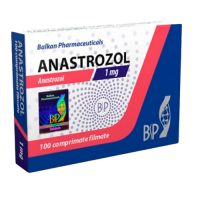
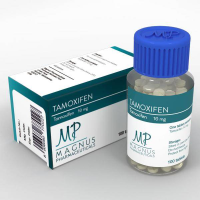
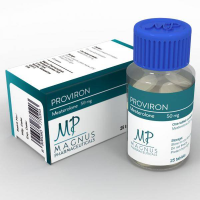
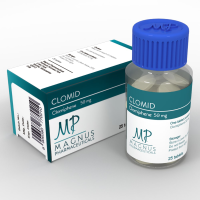
Anti-estrogen and PCT support listings are often reviewed in a rush, even though they solve very different tasks in the basket. Anastrozole, tamoxifen, clomid, cabergoline, hCG and proviron should not be treated as interchangeable add-ons. The safest comparison starts with the role of the product, then moves to packaging, strength, brand and how clearly the catalog card explains the intended support function.
The easiest way to reduce confusion is to break the group into subtypes. Anastrozole is usually reviewed in an estrogen-control context. Tamoxifen and clomid are more often compared inside the PCT segment. Cabergoline is typically checked as a separate support position. hCG should be assessed as its own recovery-related listing rather than mixed into tablet products. Proviron also deserves a separate comparison lane because buyers look at it for a different purpose than classic PCT tablets.
Once the task is clear, compare the amount per tablet or per vial, the total number of units, the manufacturer and the packaging logic. In this segment, small differences in pack size can distort a price comparison very quickly. A product that looks cheaper at first glance may offer a very different number of tablets or international units, so the comparison should always be made on packaging plus strength, not on price alone.
Support products are usually added at the end of the shopping session, which is exactly why they deserve a structured review. A rushed choice here often creates mismatch inside the final order. When the buyer compares support items by task and packaging instead of by name only, the basket becomes more coherent and the chance of adding the wrong format drops sharply.
Open only the items that belong to the same support role, keep the manufacturer visible, and compare the last two or three candidates by strength, pack size and clarity of the card. This is especially useful when the catalog contains both tablet products and vial-based listings in the same broad support cluster. The more disciplined the grouping, the less noise remains in the final choice.
When anti-estrogen and PCT support products are compared through task-based groups, the catalog becomes much easier to navigate. The result is a more consistent shortlist and fewer errors caused by treating very different support products as if they were one category.